
Protecting the Curlew: Small Actions, Big Impact
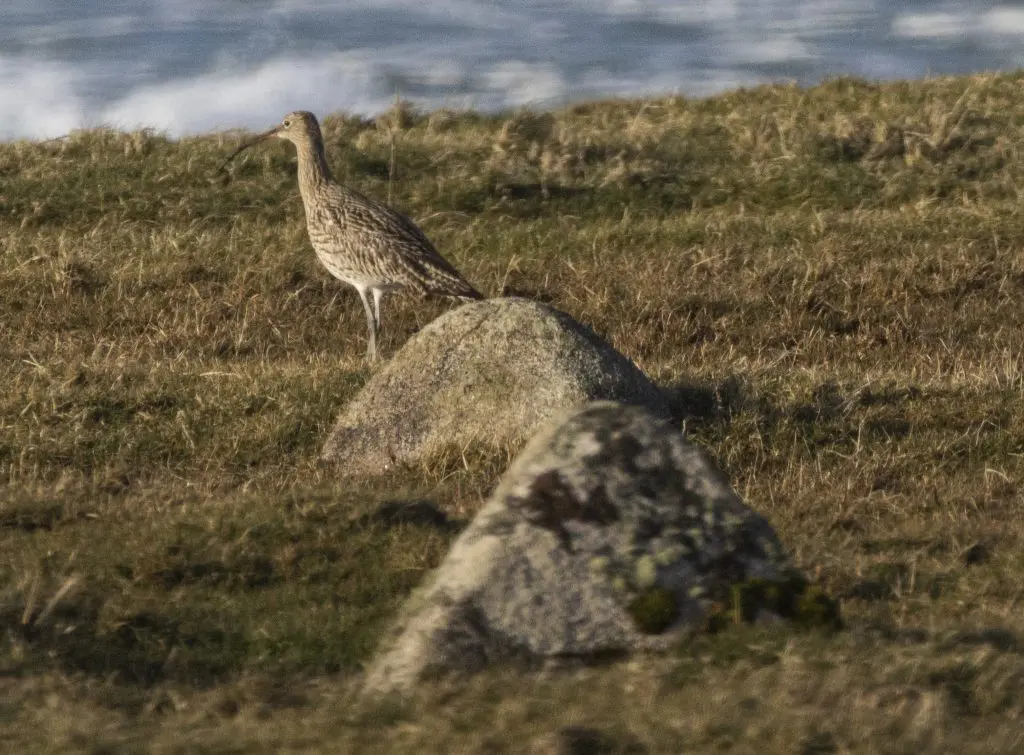
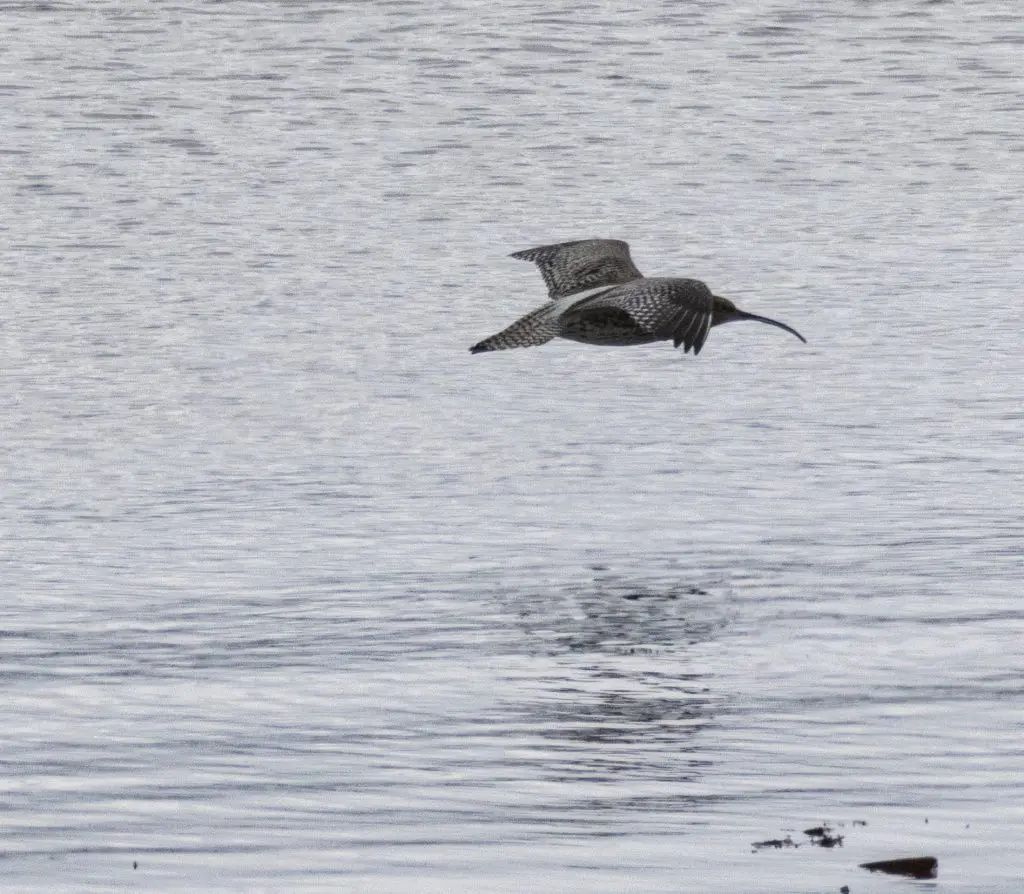
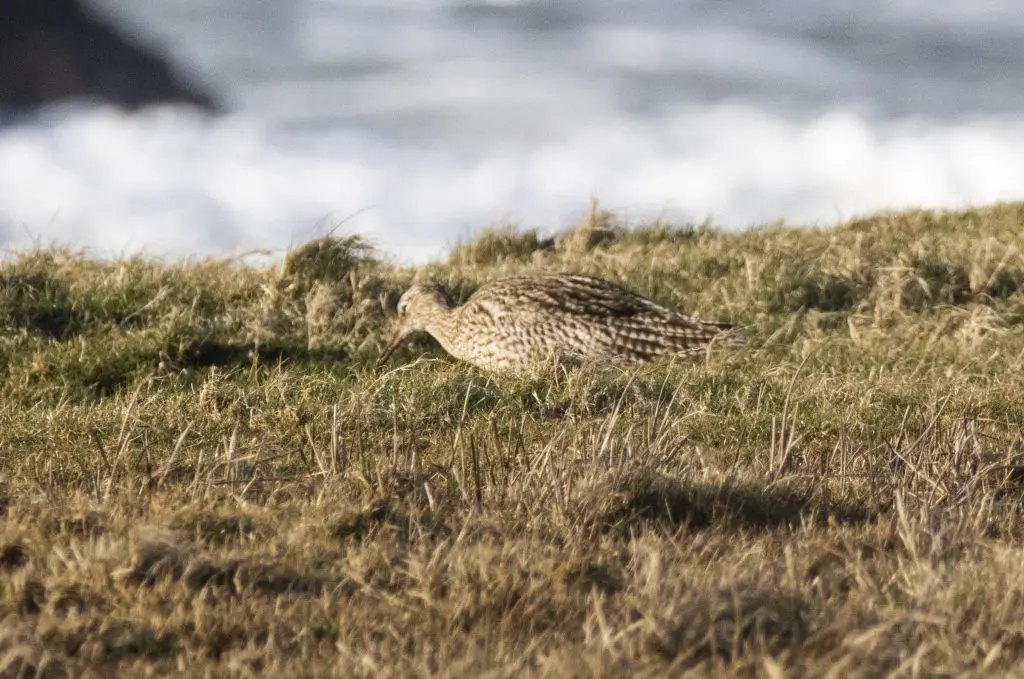
The curlew is now critically endangered as a breeding bird in Ireland, and its decline is a stark reminder of how much our landscapes have changed in recent decades. Once a familiar sound across wetlands, bogs and farmland, the curlew’s distinctive, haunting call is becoming increasingly rare.
Ireland has seen a decline of over 90–98% in breeding curlew numbers since the 1980s, with only a small number of breeding pairs remaining today.
But there is hope. While the challenges are significant, there are also simple, practical actions that can make a real difference.
Protecting habitats
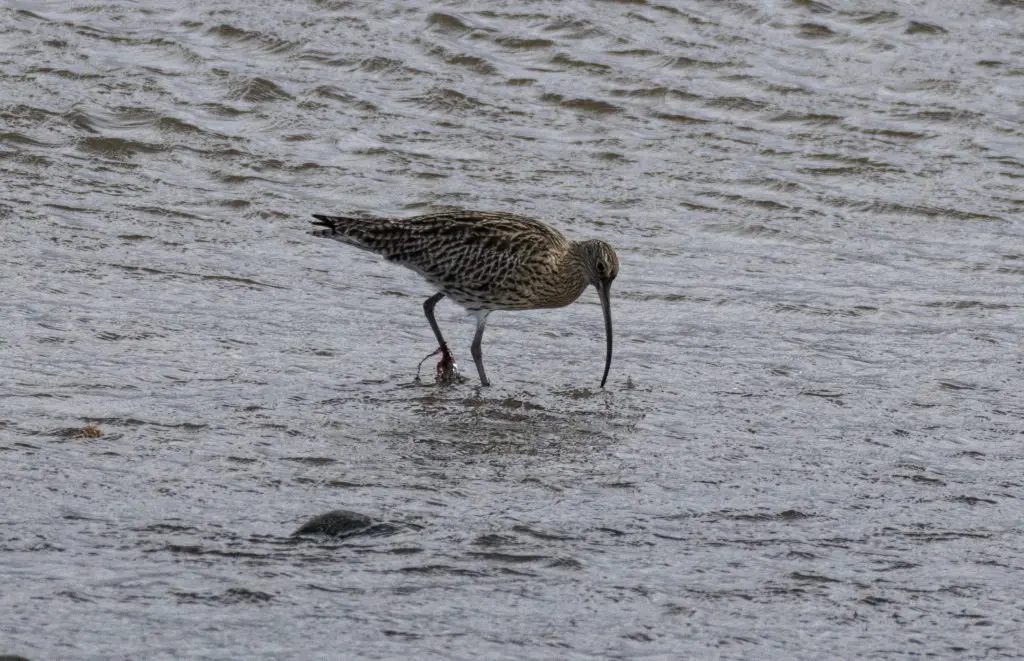
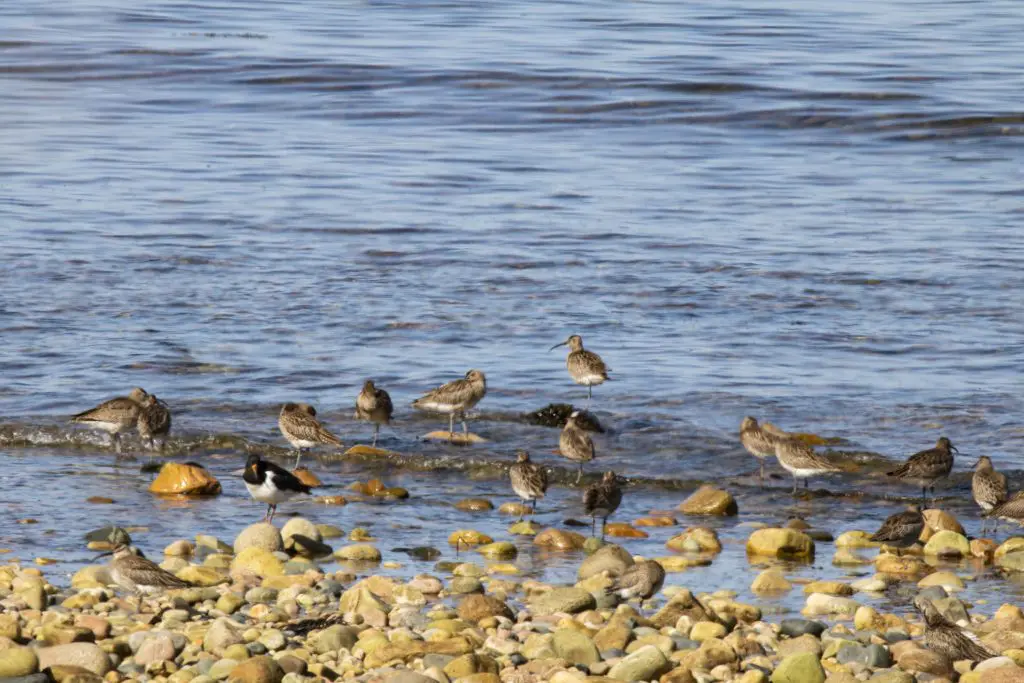
Curlews rely on healthy peatlands, wetlands and wet grasslands to survive. These habitats provide the soft, damp ground they need to feed, as well as safe places to nest.
Habitat loss and degradation are identified as key drivers of curlew decline in Ireland, particularly the drainage of land and changes in land use.
Restoring these areas by re-wetting land, blocking drains, and allowing natural processes to recover helps to rebuild the conditions curlews depend on.
Reducing disturbance
The curlew breeding season runs from April to July, a particularly sensitive time when birds are nesting on the ground.
Curlews are ground-nesting birds, meaning nests are highly vulnerable to disturbance and predation, especially in fragmented landscapes.
Simple actions like keeping dogs on leads and avoiding nesting areas can make a real difference.
Supporting nature-friendly farming
Farmers play a key role in curlew conservation, as many curlew nest on farmland.
Research in Ireland has shown that low breeding success, often linked to land management and predation, is a major factor in their decline.
Actions such as delayed mowing, reduced grazing pressure, and maintaining field margins can significantly improve outcomes.
Looking after our water
Curlews depend on wet, functioning landscapes, where water is retained in soils and across catchments.
Healthy wetlands and clean water systems support the invertebrates curlew feed on, linking water quality directly to their survival.
Spreading awareness
The curlew is now recognised as a conservation priority species in Ireland, reflecting how serious the situation has become.
Raising awareness is essential, many people still don’t realise how close we are to losing this species as a breeding bird.
Everything is connected
The story of the curlew is not just about one species. It reflects the health of our wider environment.
Healthy rivers, functioning wetlands, and sustainable land management all play a role in supporting biodiversity including the curlew.
Looking ahead
Without intervention, experts have warned that curlew could disappear as a breeding species from much of Ireland within a short timeframe.
But with the right actions taken collectively, there is still time to turn things around.
Let’s make sure the curlew’s call remains part of our landscape for generations to come.